The convergence of cyber and physical security: when IT thinking lands at the network edge
One of the most important lessons of this year’s GSX show in Atlanta is that the convergence of cyber and physical security has finally left the realm of theory. Customers now expect predictive AI features to work reliably, and we, as security professionals, increasingly have to think like IT security people.
The era of siloed design is over
The networked surveillance and access control systems we install must not become a vulnerable point in the IT infrastructure; the era of siloed design is over.
A good example: the Suprema BioStation 3 Max
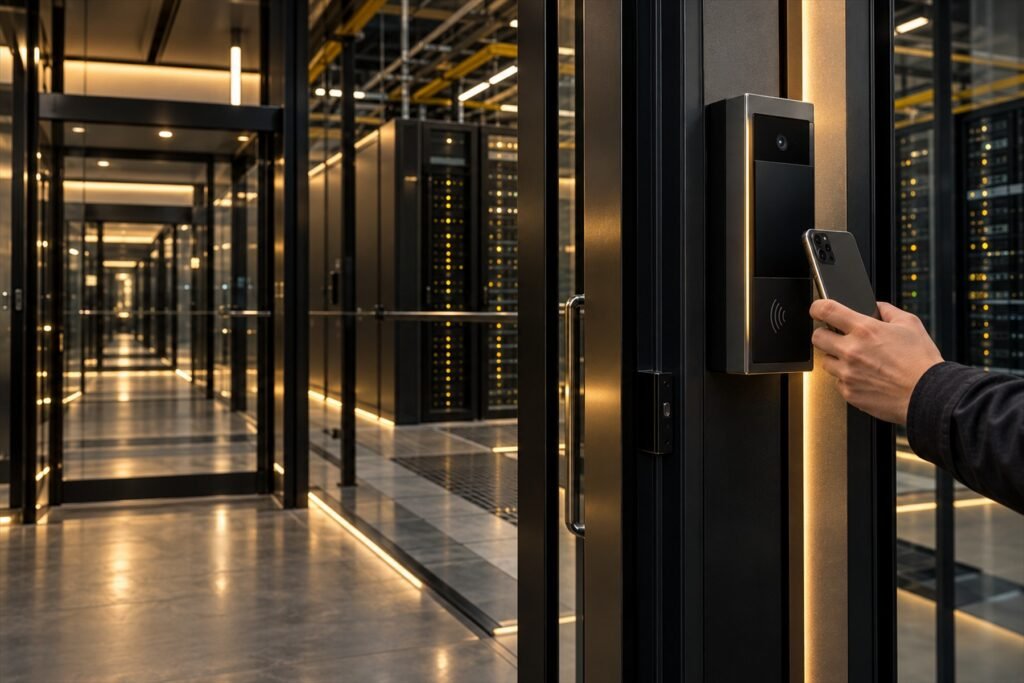
A good example of this paradigm shift is the latest generation of cutting-edge (edge) hardware, such as Suprema’s BioStation 3 Max access control terminal. This device stopped being “just a relay opener” long ago: in a single robust endpoint it combines AI-based face recognition, mobile authentication and traditional RFID.
What matters most to the security or IT professional: the hardware protects access credentials and encryption keys with a CC EAL6+ certified Secure Element.
Zero Trust at the network edge
When we place intelligence at the edge of the network, GDPR compliance and cybersecurity mean we cannot afford poorly protected endpoints. This is exactly the level at which a Zero Trust architecture becomes hard physical reality.
Sources: Security Systems News (GSX 2026 industry report) · Suprema Inc. (BioStation 3 Max product page)